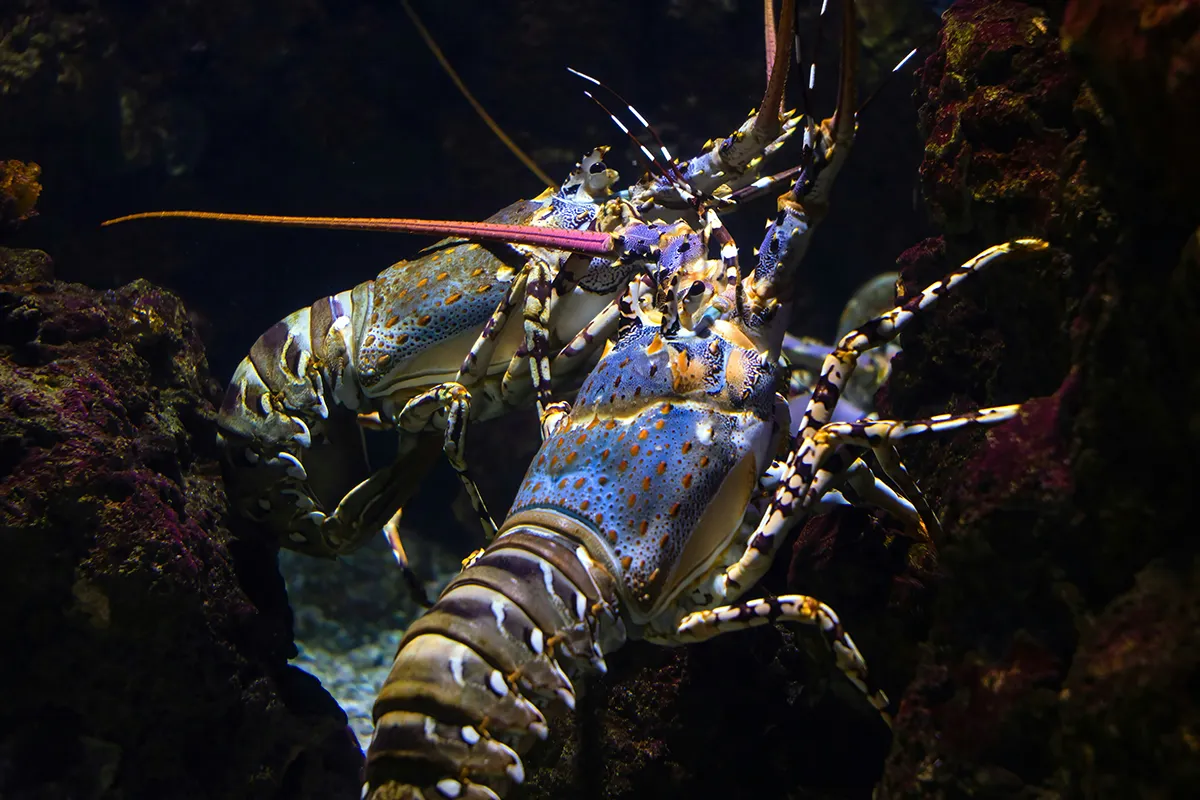
Spiny rock lobster ban from Ohao Point to Cape Rodney starts 1 April 2026, connecting to the Hauraki Gulf closure. New bag limits apply nationwide.
A ban on taking spiny rock lobster from the east coast of Northland to Hauraki Gulf will create a network of protections to help rebuild the fishery, Oceans and Fisheries Minister Shane Jones says.
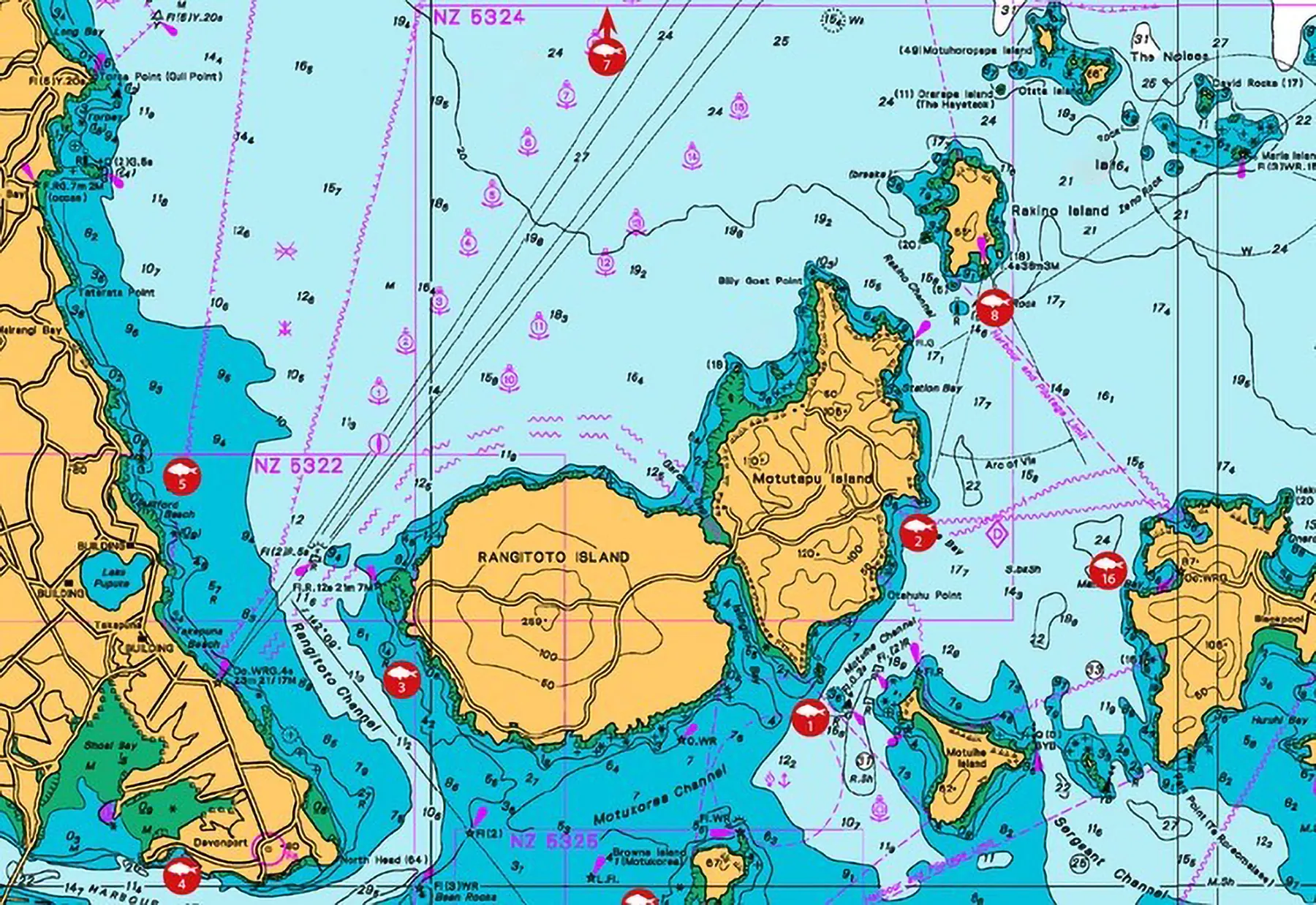
Under the previously announced closure, which comes into effect on 1 April 2026, commercial and recreational harvest of spiny rock lobster will be banned from Ohao Point, including Pārengarenga Harbour, to Hauraki Gulf at Cape Rodney.
It connects to an existing closure of the inner Hauraki Gulf, creating a chain of restrictions along the northern east coast.
"Taken together, these closures represent a significant measure to give this important fishery an opportunity to recover so that it can be used and enjoyed by future generations,” Mr Jones says.
Changes to recreational daily bag limits also come into effect on 1 April.
“Recreational daily catch limits have also reduced for spiny rock lobster in CRA 1 and for the packhorse rock lobster in all parts of the country. These new limits will protect against fishers simply switching their effort to nearby areas and species.”
The new daily bag limits are:
- two spiny rock lobster per person in the CRA 1 fishery, which includes the west coast of Northland (noting the eastern part of the fishery is closed), and
- three packhorse rock lobster per person nationwide (PHC 1).
Fishery Officers will be patrolling and anyone caught breaking the rules could face a fine of up to $100,000, and items used in the offending may be seized.
“Addressing kina barrens and bringing back the natural ecological balance in the fishery is a priority,” Mr Jones says.
“Kina barrens come about due to environmental changes including when there aren’t enough predator species to keep them in check. Rock lobsters are one of those species.
“While commercial rock lobster fishing has largely stopped under a voluntary industry closure, regulated measures for both commercial and recreational fishing provide certainty to strengthen the recovery of this important fishery.
“I commend the actions the commercial rock lobster fishing industry has taken to help support and restore this fishery and acknowledge the many people who provided feedback during consultation.”
More information, including a map of the closure, can be found on MPI’s website: https://www.mpi.govt.nz/fishing-aquaculture/recreational-fishing/fishing-rules/auckland-kermadec-fishing-rules
The latest fishing rules can be found on the free NZ Fishing Rules App (fisheries.govt.nz/Nzfishing-app).
Media contact: Toni Biddle, +64 21 805 162